



Insurtech, a fusion of "insurance" and "technology," is a rapidly expanding sector projected to reach $152.43 billion by 2032, according to Precedence Research. From digital-only platforms to AI-driven claims processing, Insurtech is revolutionizing the way insurance is bought, sold, and managed. Let's explore the top insurtech trends that are shaping the future of this dynamic industry.
Artificial intelligence: A game changer for Insurtech
Insurers are increasingly turning to artificial intelligence (AI) to revolutionize claims processing, aiming to enhance efficiency and customer satisfaction. By automating routine tasks, AI significantly reduces the time needed to handle claims. These AI-driven systems can swiftly analyze vast amounts of data, identify patterns, and make precise decisions, thereby expediting the entire claims process.
Chatbots
AI-powered chatbots boost the efficiency of processing insurance claims and assist adjusters in their investigations by quickly delivering relevant information. They enable the swift gathering of data on policy coverage and claims, allowing for faster customer assistance. By optimizing these processes, AI technology ensures that policyholders receive timely and accurate information, enhancing overall service quality and operational efficiency.
Fraudulent claims
AI's ability to detect fraudulent claims is another game-changer. By analysing data for inconsistencies and unusual patterns, AI systems can flag potentially fraudulent activities, thereby reducing losses for insurers. As AI technology continues to evolve, its role in transforming claims processing will only become more pronounced, setting new standards for the industry.
Improved marketing campaigns
AI can identify and predict customer behavior patterns, enabling more targeted and personalized marketing strategies. This technology can analyze vast amounts of data to uncover insights about customer preferences, optimizing ad placements and content to maximize engagement and conversion rates.
Partnerships and collaborations driving innovation
Insurtech partnerships and collaborations are pivotal in driving innovation and growth within the industry. By joining forces with tech providers, traditional insurers can leverage advanced tools and platforms to enhance their offerings. These collaborations often result in the development of new products, improved customer experiences, and streamlined operations.
For instance, partnerships between insurtech startups and established insurers enable the integration of cutting-edge technologies like AI, blockchain, and IoT into traditional insurance models. This synergy not only accelerates digital transformation but also fosters a culture of continuous improvement and adaptation to market demands.
As the Insurtech landscape evolves, strategic alliances will become increasingly important. These partnerships provide a competitive edge, allowing companies to stay ahead of insurtech trends and deliver innovative, customer-centric solutions.
Embedded insurance
Given the value of time, customers seek convenience and speed in purchasing insurance. However, the current process is often intricate and lengthy. To address this issue, insurance companies can now integrate their products directly at the point of sale (POS) using application programming interfaces (APIs), enabling them to offer insurance precisely when customers need it.
Tesla was a trailblazer in rolling out point-of-sale car insurance using telematics, a service now also offered by GM Motors. These smart solutions let both GM and Tesla monitor driving behaviors and patterns, tweaking monthly premiums and offering incentives for safer driving. Tesla predicts that embedded insurance could make up 30-40% of their value over the next 10 to 20 years, highlighting the massive potential of these innovative insurance models.
By harnessing real-time data, both companies aim to enhance customer experience and promote safer driving habits, setting the stage for a revolution in the automotive insurance industry.
Customer-centric innovations
Customer-centric innovations are driving the Insurtech revolution, transforming how we experience insurance by catering to individual needs. Startups in this space are harnessing cutting-edge technologies like AI, big data, and IoT to craft personalized insurance solutions. These advancements allow insurers to deliver custom-tailored policies, real-time assistance, and smooth digital interactions, all of which dramatically boost customer satisfaction.
Imagine AI-driven chatbots offering you instant help, or IoT devices keeping an eye on real-time data to manage risks before they become problems. These tech-savvy solutions don't just make services better—they forge stronger bonds between insurers and policyholders. With consumer expectations skyrocketing, these customer-focused innovations are set to revolutionize the future of the insurance industry.
Data visualization
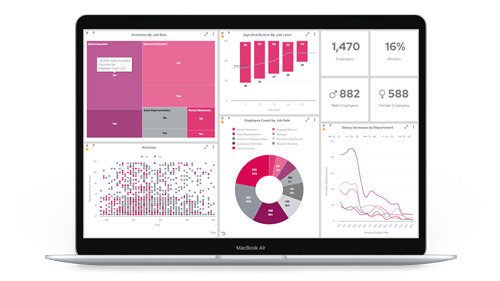
Converting intricate data sets into comprehensible, actionable insights enables insurance companies to clearly grasp insurtech trends, patterns, and correlations. Interactive visualizations such as charts, graphs, and dashboards can significantly aid Insurtechs, helping them differentiate themselves in a predominantly traditional sector.
The use of data visualizations is increasingly becoming standard practice. It's easy to understand why, given the advantages such as:
- Data visualization is an effective instrument that enables insurers to swiftly and accurately analyze their data, leading to improved pricing and risk management decisions.
- It enhances information flow and supports better decision-making.
- Visualizations are highly adaptable and can be utilized to display information on nearly every facet of risk and exposure management.
- Additionally, data visualization acts as a data literacy tool, making it easier for users to read, analyze, and compare data sets.
- Real-time dashboards offer a clear view of key metrics and performance indicators, allowing insurance teams to promptly spot potential issues before they escalate.
Blockchain for enhanced security and transparency
Blockchain technology is making significant strides in the insurtech sector, offering enhanced security and transparency. By creating immutable and decentralised ledgers, blockchain ensures that all transactions are securely recorded and easily traceable. This reduces the risk of fraud and errors, providing a higher level of trust between insurers and policyholders.
Smart contracts, a key feature of blockchain, automate and streamline claims processing. These self-executing contracts trigger payouts when predefined conditions are met, eliminating the need for manual intervention and reducing processing times. Companies like Etherisc are pioneering blockchain-based insurance solutions, demonstrating the potential for more efficient and transparent operations.
As the demand for secure and transparent insurance solutions grows, blockchain's role in the industry is expected to expand. Its ability to provide a tamper-proof record of transactions and automate processes positions it as a critical technology for the future of insurtech.
Big data analytics for better risk assessment
Big data analytics is transforming risk assessment in the insurance industry. By analysing vast datasets, insurers can identify patterns and trends that were previously undetectable. This enables more accurate risk predictions and tailored policy offerings, enhancing both customer satisfaction and profitability.
Insurtech companies are leveraging big data to refine underwriting processes and improve decision-making. For instance, data from telematics devices, social media, and IoT sensors provide real-time insights into customer behaviour and asset conditions. This allows for dynamic pricing models and more responsive risk management strategies.
As the volume of available data continues to grow, the role of big data analytics in insurance will only become more critical. Insurers that effectively harness these insights will be better positioned to anticipate risks, reduce losses, and offer more competitive products in the evolving market.