



A Regulatory Shift Many Banks Are Underestimating
The FCA’s Data First Strategy is not an incremental policy adjustment. It is a structural rewrite of how supervision will operate across 2025 and 2026. Many banks still believe they can satisfy regulatory scrutiny using quarterly reporting cycles, manual reconciliations, and spreadsheets. That belief is rapidly becoming untenable. The FCA has been explicit that data, not declarations, will underpin future supervision. Their strategy, published at fca.org outlines a shift towards streamlined data collection, machine readable submissions, and automated oversight. Firms that cannot produce accurate, consistent, and explainable evidence at speed will fall behind.
The Core Problem: Most Firms Still Operate in Retrospective Mode
Banks continue to rely on static reports built from outdated datasets, disconnected systems, and undocumented logic. Yet customers transact in real time, fraud occurs in real time, and operational risks evolve in real time. It is therefore incongruous that firms still attempt to evidence compliance retrospectively. The April 2025 Regulatory Initiatives Grid available at the FCA Regulatory Initiatives Grid 2025 confirms that the FCA expects rapid, data driven responses supported by automation and transparent data flows. If firms cannot trace a data point back to its source or explain the rationale behind an AI driven affordability decision, supervisors will not be forgiving.
Why Data Inconsistency Is Now the Biggest Regulatory Risk
A number of firms mistakenly believe that their primary exposure lies in regulatory interpretation. In truth, their biggest vulnerability is data inconsistency. If affordability assessments stored in one system do not align with outcomes in another, or if complaints data tells a different story to credit decisioning data, the regulator will quickly identify integrity issues. The FCA signals these concerns plainly in its retail banking portfolio letter. Weak management information, inconsistent data definitions, and unclear lineage remain the most common failings observed across the sector. Unless banks fix fragmentation at the source, no reporting process will save them.
The Expectation: Unified, Governed, Explainable Data
The regulatory direction of travel is unambiguous. Firms must operate from unified, governed, and transparent data environments. Compliance must be a continuous discipline. Evidence must be generated as part of daily operations, not recreated under stress after an FCA request. This requires lineage mapping from source systems to reports, consistent data definitions across departments, real time outcome monitoring, and explainable AI frameworks that document the logic behind every model decision.
McKinsey’s Global Banking Annual Review 2025 why precision not heft defines the future of banking highlights that integrated data ecosystems reduce audit risk and improve resilience significantly.
The Implication of Doing Nothing: A Slow Slide Into Regulatory Vulnerability
The firms most at risk in 2026 are not those attempting to modernise but those who believe they can continue operating as they always have. The cost of inaction will not arrive as a single enforcement event but as a gradual accumulation of operational strain. Reporting cycles will become slower and more expensive. Manual reconciliations will become unmanageable. AI driven decisions will become indefensible without documented rationale. Board confidence will erode as data inconsistencies multiply. Ultimately, supervisors will lose patience when firms cannot evidence outcomes with precision or speed. The FCA’s own commentary already highlights that weaknesses in MI and data governance are driving supervisory intervention. Failing to act now increases the likelihood of skilled person reviews, remediation programmes, and direct supervisory action, all of which carry significant financial and reputational consequences. Inertia is not neutrality. In this regulatory climate, doing nothing is itself a strategic decision, and it places firms on the wrong side of operational resilience, cost efficiency, and regulatory trust.
Where Panintelligence Solves This Problem
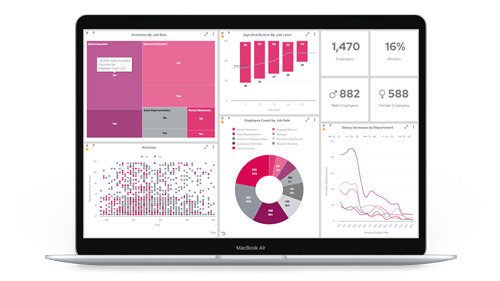
Panintelligence enables banks to operationalise the FCA’s expectations without rebuilding their entire technology stack. It unifies product, risk, and operational data into a governed analytics layer, providing a single source of truth. It automatically generates audit trails, captures data lineage, and embeds explainable AI that allows firms to demonstrate how and why credit or affordability decisions were made. It also delivers real time dashboards that give compliance teams, risk teams, and boards continuous visibility of customer outcomes, conduct indicators, and operational resilience metrics. This eliminates manual reconciliations, reduces reporting time, and ensures firms remain evidence ready at all times. Instead of producing documentation to justify decisions retrospectively, banks can show the regulator a live, governed, and traceable data environment.
The Commercial Case: Compliance as a Driver of Efficiency and Trust
The FCA’s strategy is not only a regulatory signal but an efficiency opportunity. When firms automate compliance workflows, standardise definitions, and embed explainable analytics, they reduce cost to serve and strengthen decision making. PwC’s operational transformation analysis, reinvention of retail banking focused business models unlock value.html, shows automation can reduce manual reporting effort by up to 70 percent. This has direct financial impact. It reduces remediation costs, eliminates duplication, and improves board level oversight. More importantly, it builds customer trust, because customers increasingly expect banks to make fair, transparent, and explainable decisions.
The Cultural Shift: From Compliance by Documentation to Compliance by Design
The Data First Strategy is not a technical exercise. It is an organisational mindset shift. It demands governance at the point of data creation, not at the point of reporting. It insists that senior leaders take responsibility for data quality and model behaviour. It calls time on spreadsheets that hide undocumented logic and create operational blind spots. It replaces static report packs with live, governed environments that show risk, fairness, and operational integrity as they evolve. Firms who adopt this mindset now will enter 2026 with confidence.
Why Early Movers Will Outperform the Market
Banks that modernise early will be able to deploy AI responsibly, introduce new products faster, and avoid the cost and disruption of remediation programmes. They will build transparent decisioning frameworks that customers understand and regulators respect. They will protect their brands by evidencing fair outcomes rather than defending avoidable failures. And they will position themselves as resilient, data led organisations capable of meeting the demands of real time supervision.
Conclusion: Data Is Now the Foundation of Regulatory Trust
The FCA has been unequivocal. Data is the new foundation of trust in financial services. Firms that continue to operate through fragmented systems and manual processes will not be able to satisfy the expectations of 2025 and 2026. Firms that invest in governed analytics, explainable AI, and continuous oversight will not only meet their obligations but redefine what good looks like in the eyes of customers, investors, and regulators. Panintelligence exists to help regulated institutions make that transition with clarity, speed, and confidence. If compliance is becoming a data discipline, then Panintelligence is the platform that enables firms to operationalise that discipline every day.