



Key takeaways
- The benefits and key features of embedded analytics, including real-time insights, self-service reporting, and predictive analytics.
- How embedded analytics integrates with existing business applications using APIs, SDKs, and iFrames to enhance user experience and decision-making.
- Various methods and strategies for monetizing data through embedded analytics, such as tiered data offerings and premium analytics services.
What is embedded analytics?
Embedded analytics seamlessly integrates data analysis capabilities within business applications. According to Gartner's definition, unlike traditional analytics or business intelligence tools that often necessitate switching between different platforms to access insights, embedded analytics delivers the power of data analysis directly into the user’s natural workflow. This integration ensures that users can access and utilize data insights without disrupting their routine processes, making it a more efficient and user-friendly solution.
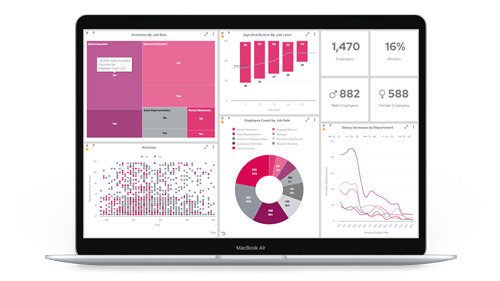
In essence, embedded analytics tools transform static platforms into dynamic, data-driven applications. By embedding dashboards, reports, and data visualizations within the application, users can interact with data in real-time. This approach not only democratizes access to data but also ensures that insights are available at the point of decision-making, making it a powerful tool for businesses looking to leverage data more effectively.

How does embedded analytics work?
Embedded analytics can seamlessly match the look, feel, and branding of the host application, making them an indistinguishable part of the overall user interface. As a result, users benefit from powerful analytics without ever realizing they are interacting with two distinct pieces of software.
Embedding can be achieved through multiple techniques, each providing varying degrees of integration and adaptability. Options include:
- iframes and HTML
- Web Components
- React SDK
- API calls
These methods enable developers to effortlessly integrate dashboards, reports, and data visualizations into their applications, customizing the solution to fit particular requirements.
To pull in real-time data, embedded analytics tools connect to various sources, such as:
- Databases
- Data warehouses
- Cloud services
This data is processed and visualized within the application, allowing users to interact through intuitive interfaces like drag-and-drop dashboards and self-service reporting tools, enabling exploration and analysis without advanced technical skills.
Benefits of embedded analytics
The advantages of providing users with data-driven insights are evident in the increasing market value of embedded analytics, which is projected to grow from $27.21 billion in 2022 to $108.46 billion by 2029, according to Fortune Business Insights.
Embedded analytics offers a multitude of benefits that can significantly enhance both user experience and business performance, such as:
1. Increased and new revenue opportunities
Embedded analytics can significantly enhance revenue opportunities by opening new avenues for upselling and cross-selling. By offering premium analytics features, advanced functionalities, or exclusive content, companies can attract users who are willing to pay extra for enhanced capabilities. Additionally, charging for access to additional data sources, seamless integrations, or higher usage limits can further drive revenue.
2. Data-driven insights
Embedded analytics enable businesses to enhance decision-making by integrating insights directly into existing workflows. This allows every user to leverage data for more informed, data-driven choices.
Take, for instance, Notify Technology, a leading SaaS company specializing in health and safety solutions. In response to the growing demand for robust health and safety management, Notify Technology transformed its platform. The objective was to provide health and safety managers with actionable data insights, enabling them to transition from reactive measures to proactive strategies that foster safer, more compliant workplaces.

By embedding intelligent analytics into their platform, Notify Technology empowers managers to make informed decisions, optimize safety protocols, and ultimately create healthier, more sustainable environments for their organizations.
3. Seamless analytical experience
Embedded analytics significantly enhances user satisfaction and loyalty by enabling customers to access and interact with data directly within the application, eliminating the need for external tools. This seamless integration not only boosts confidence in your product but also ensures that users can effortlessly navigate data insights, thereby improving their overall experience and engagement.
For instance, Panintelligence's white label analytics platform excels in providing this seamless experience. By allowing you to brand the analytics as your own, it creates a cohesive and unified user experience. With its user-friendly interface and powerful data visualization tools, Panintelligence empowers your customers to dive deep into data without encountering technical barriers, all while maintaining the look and feel of your application.
4. Competitive advantage
By integrating real-time insights directly into applications, your team can swiftly adapt to market shifts and customer demands, outpacing competitors who rely on conventional analytics tools. Embedded analytics revolutionizes interaction with information by incorporating data visualization and reporting within existing tools, streamlining workflows, and enhancing user experience.
Embedded analytics provides a competitive advantage to both software providers and end users. While competitors figure out how to leverage embedded BI, your business can utilize it to get ahead.
Benefits include:
- Easy and quick access to data and dashboard creation
- A deeper understanding of your targeted market
- Discovery of opportunities for improvements
- Identification of performance issues requiring action
- Cost reduction and increased profit potential
5. Quicker time to market
In the current fast-paced business landscape, time-to-market is essential. One of the primary challenges in embedded analytics is deciding whether to buy or build your own analytics solution. Many companies initially contemplate developing in-house analytics for their SaaS applications. However, with average build times surpassing seven months, the need for rapid product release often drives product teams to choose pre-built, bolt-on analytics solutions.

Acquiring a pre-built embedded analytics tool with straightforward integration options enables quick incorporation of advanced analytics features, keeping you ahead of competitors and addressing market demands. Utilizing third-party providers cuts down development time and resources, speeding up product launches and allowing prompt responses to market conditions and customer requirements.
Key features of an embedded analytics platform
It's crucial to recognize that not all solutions are created the same. To fully leverage the advantages of embedded analytics, organizations should initially assess their choices based on several key features, such as:
- Seamless intergration
- Interactive, self-service visualizations
- White label capabilities to keep brand continuity
- Deployment options aligned with your DevOps infrastructure
- Aligned to your security model
- Self-service reports
- A pricing model that suits your needs
- AI capabilities
Embedded analytics vs Business Intelligence
Traditional Business Intelligence (BI) involves standalone platforms that gather data from various sources, process it, and provide insights through reports and dashboards. These systems are typically used by data analysts who specialise in extracting and interpreting data to inform business decisions.
In contrast, embedded analytics integrates these analytical capabilities directly into existing business applications, such as CRM or ERP systems. This integration allows users to access and interact with data insights within the context of their daily workflows, without needing to switch between different platforms.
In short, Business Intelligence often lacks value due to its separation from the company's main application or website, leading to underutilized data. In contrast, embedded analytics integrates within the company's software, encouraging regular data engagement and informed decision-making.
Embedded analytics use cases
Embedded analytics finds applications across a wide range of industries, enhancing both internal operations and customer-facing services, for example:
Education
In the education sector, embedded analytics can revolutionize how institutions and educators understand and enhance student performance. Cenote Solutions, in collaboration with Panintelligence, has integrated advanced analytics into educational platforms. By analyzing student data such as attendance, grades, and engagement levels, these platforms offer personalized learning experiences and early intervention strategies.
This data-driven approach helps educators identify at-risk students, tailor teaching methods, and improve educational outcomes, fostering a more efficient and supportive learning environment.
Sports
Sports organizations can greatly benefit from embedded analytics, as demonstrated by Sport:80's successful implementation. By integrating analytics into their membership management systems, sports organizations can gain valuable insights into athlete performance, membership trends, and event participation.
This data can be used to optimize training programs, tailor marketing efforts to increase membership engagement, and enhance overall event planning and execution. These use cases highlight the versatility and value of embedded analytics in driving better outcomes and fostering growth within the sports sector.
Workforce management
Embedded analytics can significantly enhance workforce management by providing real-time insights into employee performance, resource allocation, and operational efficiency. For example, BigChange, a mobile workforce management platform, leverages embedded analytics to offer its clients comprehensive visibility into their field operations.
By integrating advanced analytics into their platform, BigChange enables businesses to monitor key performance indicators, track job progress, and optimize resource utilization.
How much does embedded analytics cost?
The cost of embedded analytics can vary significantly based on several factors, including the pricing model adopted by the vendor and the specific needs of your business. Common pricing models include:
User-based pricing
The platform bills based on the count of active users. This method is simple since funds aren't spent on inactive users. It's perfect for internal teams where the number of users needing access is known. However, for B2B companies, predicting the number of users involved can be challenging, making it difficult to gauge the cost of embedded analytics.
Pricing per query
The company incurs a fee for each query executed to show an analytical insight or to investigate data using a self-service tool. While this might seem adaptable, it is actually a very unpredictable choice.
Pricing per workspace
The company incurs a fee for each workspace, with each workspace accommodating an unlimited number of users. This model offers high predictability, as costs can be easily determined by tallying the number of workspaces and any additional requirements.
Questions to ask providers
When selecting an embedded analytics provider, it's essential to ask the right questions to ensure they meet your needs. Here are some key questions to consider:
- What integration options do you offer? Understanding the available integration methods (APIs, SDKs, iFrames) will help you determine how easily the analytics can be embedded into your application.
- Can the analytics be customized to match our application's look and feel? Customization is crucial for maintaining brand consistency and providing a seamless user experience.
- What data sources can your tool connect to? Ensure the provider supports the databases, data warehouses, and cloud storage solutions you use.
- Do you offer real-time data processing and visualization? Real-time capabilities are essential for making timely, data-driven decisions.
- What advanced analytics features are included? Look for features like machine learning, AI, and predictive analytics to enhance your data analysis capabilities.
- How do you handle data security and compliance? Ensure the provider has robust security measures and complies with relevant regulations to protect your data.
- What is your pricing model? Understanding the cost structure will help you budget effectively and avoid unexpected expenses.
- What kind of customer support do you offer? Reliable support is crucial for addressing any issues that may arise during implementation and ongoing use.
- Can you provide case studies or references? Reviewing case studies and speaking with current customers can give you insights into the provider's reliability and effectiveness.
The use of AI in embedded analytics
Artificial Intelligence (AI) is revolutionizing embedded analytics by enhancing its capabilities and making data insights more actionable. Beyond simply discovering “what happened,” you can now explore “why it happened" and predict what may happen in the future.
Predictive analytics, powered by AI, analyzes historical data and also forecasts future trends and outcomes. By leveraging advanced algorithms and machine learning, predictive analytics can identify patterns and predict future events with remarkable accuracy. This allows businesses to make proactive decisions, optimize operations, and stay ahead of the competition. AI-enhanced embedded analytics offer clear insights, seamlessly accessible within your application, empowering you to make data-driven decisions with confidence.
Conclusion
Embedded analytics incorporates data analysis features directly into business applications, boosting productivity and decision-making by delivering real-time insights within the user's workflow. This smooth integration converts static platforms into dynamic, data-centric applications, democratizing data access and ensuring insights are available when decisions are made. Utilizing embedded analytics allows businesses to gain a competitive advantage, speed up time-to-market, and concentrate on enhancing their core products.